Spam in Google: how algorithms identify low-quality content and what happens to such pages
The modern Google search engine has long gone beyond simple text filters. Today, the Google search algorithm analyzes content using the principle of multi-layered quality control, where the main goal is to protect the user from useless information noise and manipulative techniques.
And understanding what Google considers spam is a fundamental guideline for building a long-term content strategy. The main risk factors include:
 Mass-generated content: automatically generated texts without unique analytics, added value, or real human experience.
- Spam and unhelpful pages: excessive keyword density, duplicate product listings, or template landing pages for micro-requests.
- Link manipulation: artificial mass-building schemes to manipulate rankings.
However, recent changes to Google's algorithms have shifted the focus from a point-by-point analysis of a single URL to an assessment of the overall patterns of the entire resource. If a site contains a large amount of similar materials, similar templates, and does not provide real benefit to the visitor, the entire domain is at risk of visibility restrictions.

No sanctions, but no traffic: how Google's modern spam detection algorithms work
A common mistake is to assume that violations will necessarily result in penalties or a significant drop in rankings. In practice, Google's modern spam detection algorithms are much more pragmatic: the system may simply not include a URL in the index or stop considering it valuable enough to display.
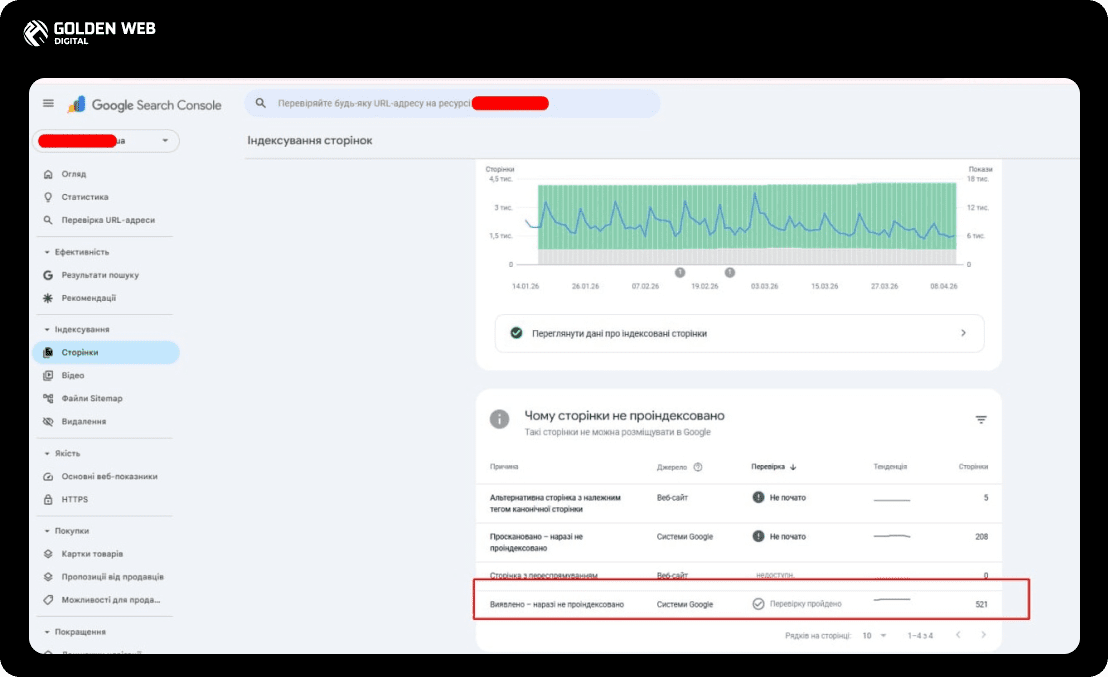
Let’s consider a typical example: a site creates hundreds of pages for similar search queries, but uses essentially the same, template text. The search robot scans these addresses, but sees no unique intent. As a result, the pages physically exist on the server, but receive the status “Crawled — not yet indexed” in Search Console. They lose organic visibility before they can bring the first conversions.
Hidden flaws: why Google's next algorithm updates expose long-standing problems with the resource
Website owners often notice indexing issues suddenly, right after Google’s algorithm updates are released. However, these technical or content flaws have usually existed for years — updates only make them more apparent, raising the bar for quality and accessibility.
How Google evaluates a site during a major update directly impacts the crawl and rendering stages. When the system recalculates rankings, weak or duplicate pages are the first to lose priority. Basic problems come to the surface: conflicting canonical tag instructions, important sections closed from indexing, weak internal linking, or a banal lack of expertise (EEAT).
From audit to growth: site verification after an update as a foundation for high-quality SEO site promotion
Comprehensive website promotion on Google requires regular audit hygiene from the business. In order to timely identify materials that have fallen under algorithmic filters or lost the search engine's attention, it is worth following a clear algorithm of actions:
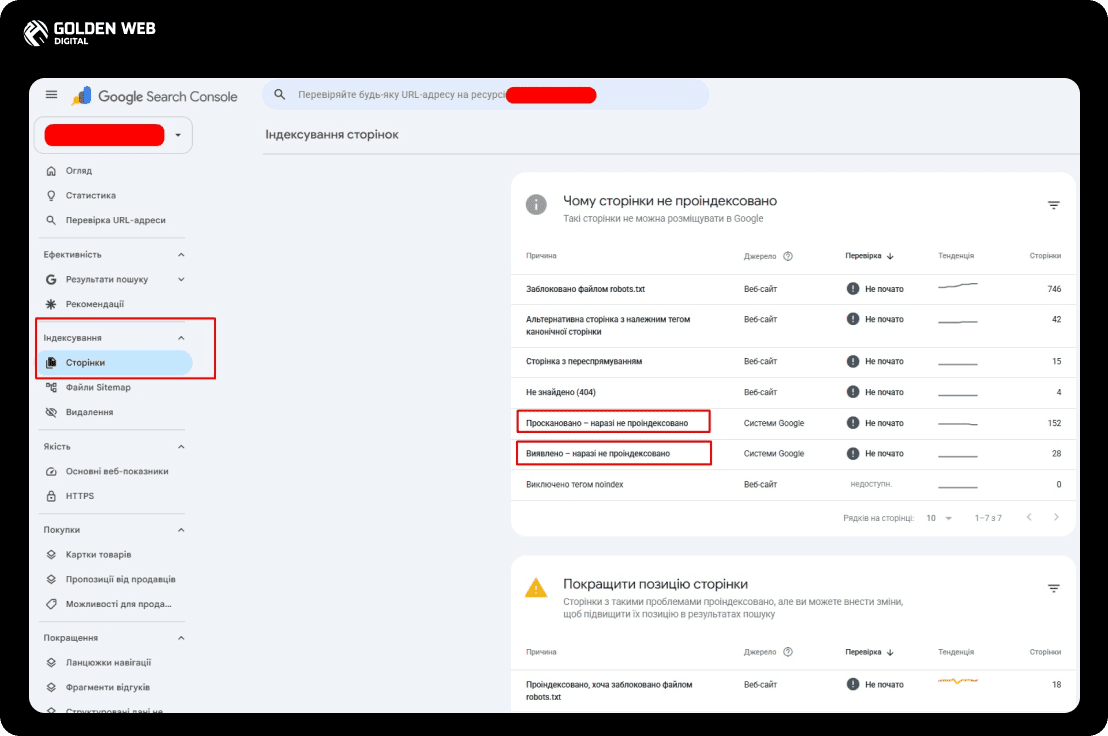
- Analyzing Google Search Console reports: First of all, study the “Page Indexing” section, paying attention to the statuses “Crawled - not currently indexed” and “Detected - not currently indexed”, and other recorded errors.
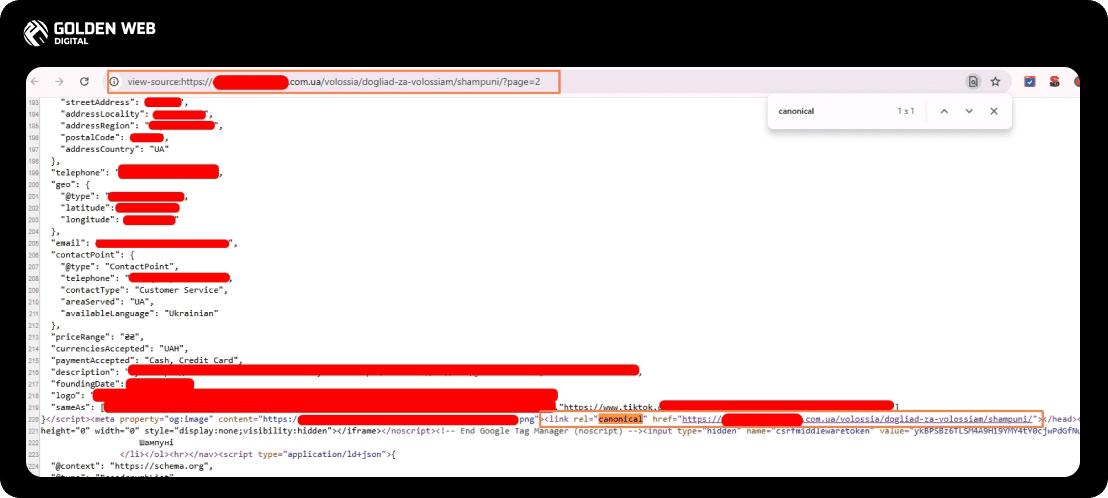
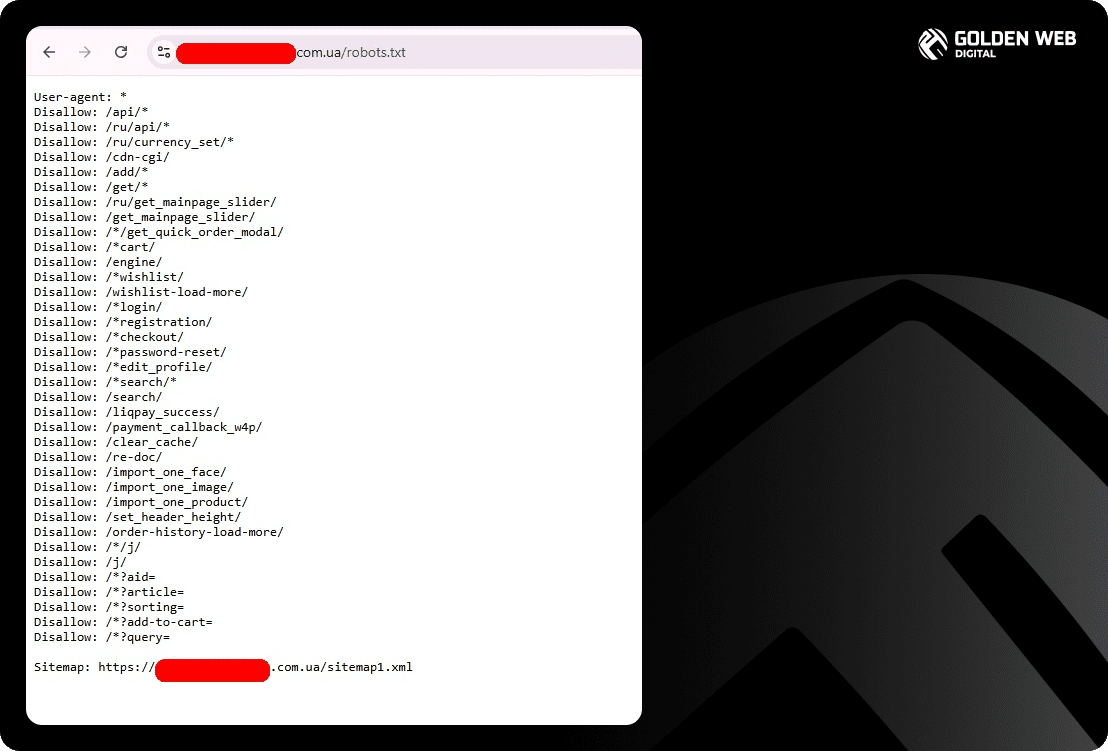
- Technical audit of settings: check for conflicting directives in canonical, robots.txt, and noindex meta tags.
- Content optimization: add unique value to pages with potential, merge duplicates, and remove template and useless URLs. Modern SEO always prioritizes quality and real benefits for the reader, rather than artificially increasing volume.
The main conclusion is simple: just because a page exists on a website doesn't mean Google is obligated to keep it in the results. If a URL doesn't provide new intent, the algorithms will simply ignore it.
When a business needs systematic SEO website promotion , it is critically important to eliminate hidden barriers before the next update. To conduct an in-depth analysis of indexing, content, and technical condition of the resource, you can order website promotion at golden-web.digital. We base our work on accurate analytics, thanks to which SEO website optimization from Golden Web Digital turns the complex requirements of search algorithms into your stable competitive advantage.