5 reasons why it's important to manage your brand correctly
The Coca Cola brand value in 2020 was $84.02 billion, and the estimated sales of Coca Cola were $1.9 billion. 94% of the world's population can explain that the Coca Cola logo is associated with joy and happiness. So what is the secret to the longevity and sustainability of the Coca Cola brand? Brand management!
Brand management is a set of techniques for increasing the value of a product, service or brand. Brand success is achieved by building a brand strategy about its meaning and perception in the market. Strategic brand management encompasses the development and implementation of marketing programs and activities to manage and evaluate brand equity, as well as creating a brand identity, that is, how the brand should be perceived by customers.

James R. Gregory, in his book Leveraging the Corporate Brand, noted: “A brand is not a thing, a product, a company, or an organization. It does not exist in physical form—it is a psychological construct. Brands can best be described as a collection of human experiences, perceptions, and feelings about a particular product or organization. They exist in the minds of individuals and society.”
Branding: What is it and why is it so important?
▣ To buy your brand, consumers must know about it .
One of the key elements of brand management is to keep consumers informed about your brand. When making a purchase, consumers will not think about it if they do not know what it represents. Therefore, they will rather purchase a product or service from your competitors.
▣ The first impression is the most important .
Have you ever heard the saying “You don’t get a second chance to make a first impression”? For example, your brand’s packaging is the first contact a consumer has with your product. With brand management, you can keep your brand’s look modern and memorable, and leave a positive impression on consumers. In order for them to continue buying your products, they must clearly understand the benefits and advantages of the purchase and, most importantly, enjoy consuming or using the product. To do this, in particular, you need to implement clear and transparent pricing and brand promotion programs.
▣ Consistency is the key to success .
Brand management will be successful in highly competitive areas only if it is constantly based on the values and uniqueness that were initially established. It is extremely important to maintain a consistent tone of advertising and guarantee a pleasant experience when buying your products. Brand management makes it possible to harmonize both intangible and visual aspects of the brand. Consistency and transparency of the brand reassures the consumer, because he knows exactly what to expect every time he buys the goods. A brand is more than a product, because it is measured in a special way, which distinguishes it from other products designed to satisfy the same needs.
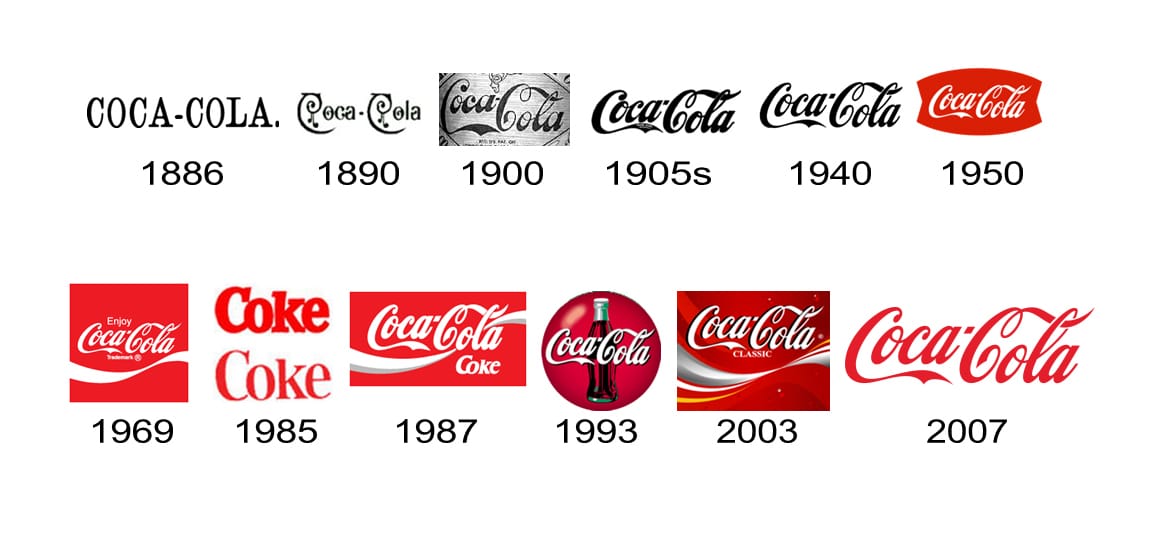
Here is an example of how Coca Cola, while changing repeatedly, manages to maintain a level of advertising consistency and brand recognition.
▣ Brand loyalty .
With the rise of e-commerce, more and more consumers are purchasing products from abroad. That is why it is important to manage brand equity across market segments, as well as take into account possible technical issues on the Internet and global branding strategies where possible.
If users recognize the brand and have some idea about it, they do not need to read additional information to make a decision to purchase the product. From an economic perspective, brands reduce the time consumers spend searching for products both internally (how much time they need to think) and externally (how much time they need to look around). Knowing the quality and characteristics of the product, users make assumptions and express expectations about what they may not know about the brand. Therefore, when you develop the brand correctly, you see an increase in loyalty to it.
▣ Brand support never ends .
Marketing has changed in recent years due to the relentless digitalization. Customer demands for quality and ease of use of products have increased, as have methods for advertising the benefits offered by brands.
Once you have established a brand, the key is to maintain it and update it regularly. For example, your logo, taglines, and ads on Facebook, Twitter, and Instagram should align with your brand’s core values and tone. The digital revolution has reduced the brand manager’s control over brand meaning. The rise of social media has enabled massive, real-time brand discussions and limited the company’s control over how consumers perceive and communicate its meaning.
As a marketer or brand manager in the digital age, you need to factor online branding into your strategy, which is how you can use online channels and social media to support and promote your brand. Do you want your company to be the next Coca Cola, or even cooler?
See also: How to maintain brand reputation and trust in difficult situations?